


Caller id Changer Sec
2.8599.00 Reviews
App Specs
- Version
- 7298
- Updated On
- License
- Free
- Downloads
- 500,000+
- Developer
- call game sec
- Categories
- Communication
- Platform
- Android
Screenshots
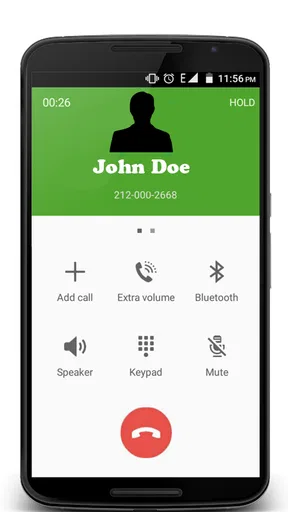
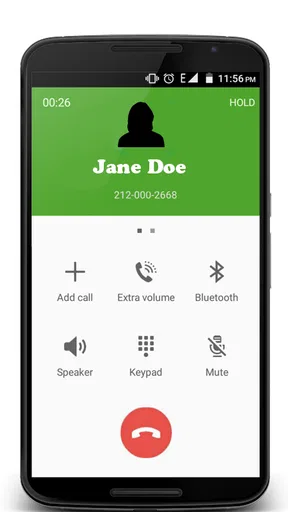
 Analysis by AppCompare
I tend to think about caller-ID tools less as party tricks and more as something that affects everyone who picks up the phone. In a shared household, a call that appears to come from an unexpected name or number can cause confusion, worry, or a missed call. That makes Caller ID Changer Sec an app I would approach with clear boundaries: useful to explore for a specific, legitimate reason, but not something I would casually hand around or use to surprise people.
When a shared phone makes the choice more complicated
Imagine that two adults share a device for errands, while a teenager sometimes borrows it to contact friends. A caller-ID changer is not simply another communication shortcut in that situation: whoever makes the call may affect how a recipient judges it. Before installing or using an app like this on a shared phone, I would agree on who is allowed to use it and what kinds of calls are appropriate. That small conversation is more useful than assuming everyone will understand the consequences in the same way.
For example, if one person wants to call a relative while keeping a personal number private, the household should first decide whether the recipient will recognize and trust the call. If the goal is only to make someone believe a different person is calling, I would skip it. A joke is not harmless simply because the caller intends it to be; the recipient may be worried, busy, or relying on caller ID to decide whether to answer.
Make the purpose clear before changing anything
The app’s focus is changing caller ID, so I would treat each use as a decision about identity rather than a cosmetic setting. A sensible boundary is to use a changed identity only when there is a clear, honest reason and the call will not mislead or pressure the person receiving it. If I needed to reach someone who does not know my number, I would consider whether a text, an ordinary call, or another familiar contact method would be clearer.
There is also a practical distinction between hiding personal details and impersonating someone else. Protecting privacy can be a legitimate concern, but presenting yourself as a named person or trusted organization can cross a line quickly. I would never use a changed caller ID for financial matters, account recovery, emergencies, workplace instructions, or anything where the other person needs to know exactly who is speaking.
Coordination matters more than cleverness
In a household, a little coordination can prevent a lot of avoidable confusion. If someone is expecting a call from a school, doctor, delivery service, or family member, changing the apparent caller identity could make the call harder to recognize. I would leave ordinary contact routines alone when another person depends on them, and I would tell anyone sharing the device before using a call-changing feature.
A useful habit is to keep important calls on familiar channels and reserve experimentation for low-stakes situations where the other person understands what is happening. If a recipient sounds uncertain, I would identify myself immediately rather than extending the surprise. Caller ID is only one clue people use to assess a call, but changing that clue can affect their confidence in the conversation.
Worth Reading Before You Choose

EA SPORTS FC Mobile 26 Is a Bigger Football Game, but It Takes Time

Flipboard Shows What News Apps Must Do Beyond the Feed

Switching to Android Auto Means Rethinking Your Driving Routine

Google Calendar Makes a Crowded Week Easier to Manage

Ludo King Makes the Most of the Minutes Between Plans

Baby Panda World Brings Quick Play to Modern Phones, but Its Game Library Feels Busy
Age, trust, and a realistic household rule
The app is rated for Everyone, but an age label does not replace adult guidance about how to contact people respectfully. I would not assume that a younger user understands the difference between a playful voice effect and misleading someone about who is calling. For a shared device, the rule should be simple: do not use caller-ID changes to frighten, impersonate, pressure, or trick anyone, and ask before using the feature.
Picture a family member borrowing the phone to call a friend after school. If the outgoing identity looks unfamiliar, the friend may ignore the call or become concerned. A quick explanation beforehand—or choosing a normal call instead—can prevent that awkward outcome. The same consideration applies when an adult calls an older relative who relies on saved caller details to screen unknown numbers.
Who may find it useful, and who should look elsewhere
I can see the appeal for an adult who has a specific, lawful reason to manage how a call is presented and is prepared to explain the call clearly. Someone who mainly wants a straightforward way to reach contacts may be better served by the phone’s built-in calling options or a conventional communication app. Those familiar alternatives are easier for recipients to recognize and do not invite the same questions about identity.
I would avoid this app if the intended use is pranking strangers, making a call seem to come from a business or relative, or getting around someone’s decision not to answer. It is also a poor fit for a household that cannot agree on who uses the phone or how changed caller information should be handled. In those cases, the simplest option is not to use a caller-ID changer at all.
What to check before making a call
Before relying on a caller-ID feature, I would test the basic workflow only with someone who has agreed to help and can tell me what appears on their end. That is more useful than assuming the display will look the same across different phones or networks. I would also avoid treating a successful test as permission to use the feature for every recipient; the context and the recipient’s expectations still matter.
Call recording deserves separate caution. Recording rules differ by location, and a feature being available does not mean every recording is lawful or appropriate. I would tell the other person and obtain any consent required before recording. For a routine conversation where I simply need to remember details, taking notes afterward may be less intrusive and easier to manage.
For international calls, I would check the intended recipient and the call’s purpose carefully before placing it. A changed caller identity can make an unfamiliar cross-border call look less trustworthy rather than more convenient. If the recipient is expecting contact, agreeing on a time and a recognizable way to call is usually a better starting point than relying on a changed display.
First Impressions and Setup
Downloading and installing Caller ID Changer Sec was a breeze. The app is lightweight, so it doesn’t hog your phone’s storage, which is always a plus in my book. Once installed, the interface is straightforward and user-friendly, even for those who might not be super tech-savvy.
Setting up the app doesn’t require any rocket science either. You just need to grant a few permissions, and you’re good to go. This is where it gets fun—right off the bat, you can start changing your caller ID to anything you want. Want to prank a friend by calling them as "Santa Claus"? You got it!
Features That Stand Out
So, what’s the big deal about this app? The main feature, obviously, is the ability to change your caller ID. But it doesn’t stop there. Here are some cool features I found particularly interesting:
- Custom Caller ID: You can set your caller ID to virtually anything you like. It's perfect for keeping your identity private or just for a bit of harmless fun.
- Call Recording: This feature can be a lifesaver if you need to keep a record of important calls. Just make sure you’re aware of the local laws regarding call recording.
- Voice Changer: Add a little twist to your calls by changing your voice. This can be a fun way to prank your friends.
- International Calling: The app also supports international calls, which is great for those who need to reach out across borders.
Performance and Usability
In terms of performance, I found the app to be quite reliable. The calls went through without any hiccups, and the voice changer feature worked seamlessly. I did a few test calls to different numbers, and the caller ID was successfully changed each time. The app didn’t crash or freeze, which is always a relief.
Usability-wise, the app is intuitive. Navigating through the features is as easy as pie. The design is clean and minimalistic, which I personally appreciate since it keeps distractions to a minimum. It’s designed for quick access to features, so you’re not fumbling around when you’re in a hurry.
Privacy and Security
One thing that might concern some users is the privacy aspect. I did a bit of digging, and it appears that the app takes privacy seriously. They use encryption to protect your data, and your call history isn’t stored on their servers. This is reassuring, especially in a time where privacy breaches are all too common.
That said, it’s always good to be cautious. Use the app responsibly and make sure you're complying with local regulations regarding caller ID spoofing.
Choosing an alternative when clarity matters
Compared with the usual options in communication apps, a caller-ID changer is a specialist tool rather than a replacement for everyday calling. A standard phone call keeps the number and identity that contacts already expect, while messaging lets me introduce myself in writing before asking someone to call back. Those methods are less surprising and often work better for appointments, family coordination, and any conversation where trust matters more than novelty.
The trade-off is that a changed caller display may be useful when a person has a genuine privacy concern, yet it can also make a call easier to mistake for spam. I would not count on a changed identity to guarantee that a recipient answers or that a number appears in a particular way on every device. If a call is important, I would arrange it in advance and follow up through a familiar channel rather than repeatedly calling from an unexpected identity.
Cost, version, and the practical decision
The app is free to install, with in-app purchases ranging from $9.99 to $49.99 per item. I would think about those purchases only after deciding that the basic idea fits my needs; paying for additional options would not change the responsibility to use caller-ID changes honestly. The developer is call game sec, and the app’s current version is 7298. It supports Android from version 8.0, which is worth checking against an older household phone before planning around it.
It has been available since November 20, 2016, and its average rating is 3.0 from around five thousand ratings, alongside 592 written reviews. More than 500,000 installs suggest that people have tried it, but I would not treat popularity as proof that it suits every household. Its Everyone age rating is useful context, not a substitute for deciding whether its calling features fit the way your family handles privacy and trust.
Final Thoughts
All in all, I had a good time testing out the app. It’s a nifty tool for anyone looking to add a bit of fun to their calls or maintain privacy. The features are well-executed, and the app performs smoothly. Just remember to use it responsibly!
If you’re curious and want to give it a go, the app is available on both the Google Play Store and the Apple App Store. So why not check it out and see what kind of mischief you can get up to? Just keep it legal and light-hearted!
Pros
- Allows temporary number changes for privacy.
- Easy to navigate with a user-friendly interface.
- Supports international number formats.
- Compatible with most Android and iOS devices.
- No need for a separate SIM card.
Cons
- May have limited free features.
- Some calls might show as unknown.
- Requires stable internet connection.
- Not available in all regions.
- Potential for misuse if not monitored.
FAQs for Caller id Changer Sec
What is Caller ID Changer Sec, and how does it work?
Caller ID Changer Sec is an application that allows users to modify the caller ID displayed during outgoing calls. It works by routing calls through its servers to mask the original number, letting you choose what appears on the recipient's phone. This is useful for privacy or business purposes.
Is using Caller ID Changer Sec legal?
The legality of using Caller ID Changer Sec varies by region. In some areas, altering your caller ID might breach telecommunications regulations or privacy laws. It's crucial to check local laws before using the app to ensure compliance and avoid potential legal issues.
What are the main features of Caller ID Changer Sec?
The app offers several features, including the ability to change your caller ID to any number, manage multiple caller IDs, and view call logs. It may also provide additional features like call recording and voice changer options, enhancing privacy and customization for calls.
Are there any privacy concerns with using Caller ID Changer Sec?
Privacy is a key concern when using any such app. Caller ID Changer Sec routes calls through its servers, which means data security and confidentiality depend on the app's policies and encryption standards. Users should review the app’s privacy policy to understand how their data is handled.
What are the potential drawbacks of using Caller ID Changer Sec?
While the app offers unique benefits, potential drawbacks include the risk of violating terms of service with your mobile provider, possible legal issues, and the chance of misuse for fraudulent activities. Additionally, call quality might be affected due to the rerouting process.


